
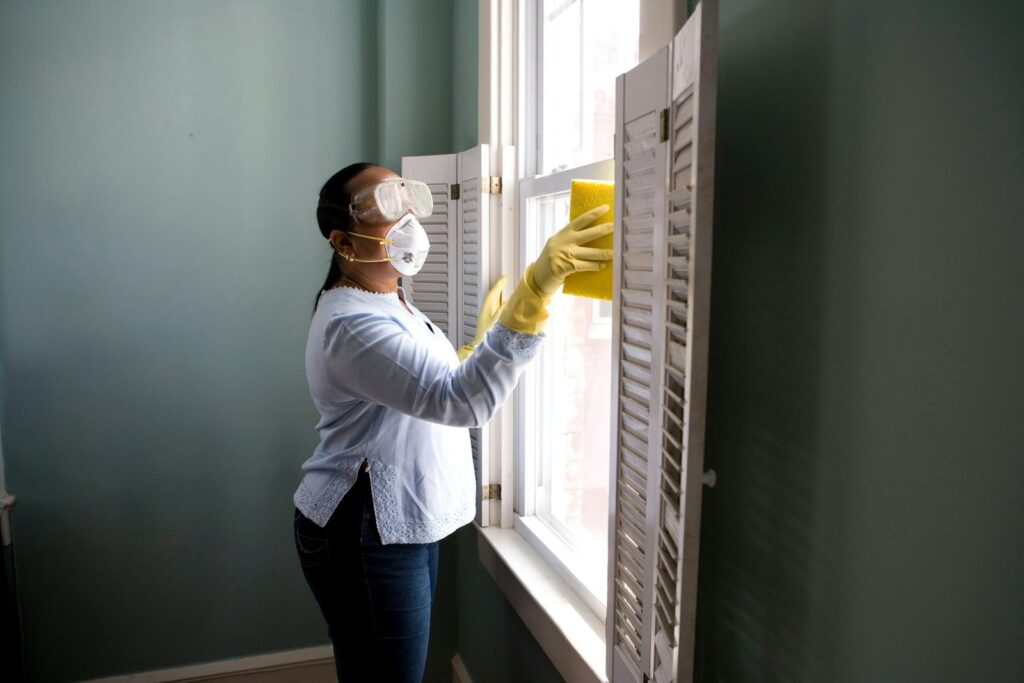
A useful office cleaning brief describes each area, how it is used, the result required and the arrangements for access, supplies and review. Start with those decisions before asking a provider to propose a schedule. Use the scope record below to turn a broad request such as “keep the office clean” into questions that can be assessed together.
Start with the spaces and the people using them
Walk through the premises with the person responsible for the workplace. Give each area a recognisable name and record when it is occupied. A reception used for visitor meetings, a shared kitchen and a lightly used meeting room can raise different questions about access and the service required. Note the differences rather than copying one instruction into every room.
- Identify the rooms and shared areas included in the enquiry.
- Record normal opening hours, variable attendance and planned events.
- Describe surfaces and equipment for the provider to assess; mark unknown details.
- Identify restricted spaces and the person who can authorise access.
Copy this scope record for each area
This is an original planning template. Complete what you know and leave a named question where the requirement still needs assessment. It is a discussion aid, not a prescribed cleaning method or a ready-made service agreement.
- Area and use: name, location, activities and who uses the space.
- Requested result: explain what the service should achieve in that area.
- Included work: list the tasks you want the provider to assess and confirm.
- Boundaries: record exclusions and anything needing separate specialist review.
- Timing: note permitted access windows and ask the provider to propose an appropriate frequency.
- Supplies: agree who provides equipment, products and replenishment of consumables.
- Coordination: name the site contact and the route for questions or access problems.
- Review: agree what will be checked, who reviews it and how changes are recorded.
Example: a reception used for client meetings
Imagine an office whose reception also hosts occasional meetings. An initial scope note might say: “Reception and waiting area; normal business hours with some evening appointments. Please assess the surfaces and propose the work and frequency. Coordinate access around booked meetings. Confirm whether entrance glazing is included and identify any task needing a separate quotation.”
This is a hypothetical brief, not an OpTyTech project record. Its useful feature is the visible question about glazing: neither the customer nor the provider has to assume that every glass surface is part of the same task. The next step is to resolve that question and record the agreed boundary.
Separate routine work from specialist requirements
The Irish EPA’s 2024 indoor-cleaning procurement criteria distinguish routine indoor cleaning and glass reachable without specialised equipment from excluded activities such as disinfection, medical-facility cleaning and construction-site cleaning. That is the scope of that particular criteria set, not a universal definition of every cleaning contract. See the EPA scope and exclusions, pages 1 and 5.
For your enquiry, identify which type of service you actually need and ask the provider to confirm suitability. Keep specialist tasks visible as separate questions rather than treating them as automatically covered by a general office-cleaning request.
Ireland’s Health and Safety Authority addresses chemical and biological hazards in its Safety in Contract Cleaning guidance. The responsible workplace and cleaning teams should address the site-specific assessment and working methods; this brief does not set those methods.
Make environmental requirements specific
The EPA criteria include procedures and reporting on products, accessories, consumables, water, equipment and waste. They are an Irish public-procurement reference, rather than evidence that any named company holds a certification. See EPA technical specification TS4, page 15.
If environmental performance matters to your brief, ask what information a provider can supply and agree which records are useful for your premises. Keep a requested improvement separate from a measured result. Avoid writing an unsupported percentage saving or certification into the requirement as though it had already been verified.
Agree how the scope will be reviewed
Keep the agreed version with its date and a named owner. Record unresolved questions before the service starts. When attendance, working hours or the use of a room changes, review the affected entry with the provider. At a service review, discuss the agreed result, outstanding issues and any proposed change to the scope, rather than judging the entire arrangement from one isolated observation.
Questions before you send the brief
- Can the provider identify each area without guessing?
- Are the access window and contact person clear?
- Have supplies, exclusions and specialist questions been made explicit?
- Is the proposed frequency still subject to assessment and agreement?
- Who will confirm the final scope and review later changes?
How often should an office be cleaned?
Use the actual premises, occupancy and activities as the starting point. Ask the provider to assess the requirement and explain the proposed schedule. This planning template does not prescribe a universal frequency.
Can we enquire before every detail is settled?
Yes. Share the area list, the information available and the questions you need help resolving. Label estimates and unknowns clearly so the initial conversation can establish what needs checking.
Discuss the requirement with OpTyTech
Explore OpTyTech’s Cleaning service area or send an enquiry with your premises, intended outcome and the questions still open. If the requirement involves several building services, see Facilities Management.
Editorial note: prepared for the OpTyTech Blog with AI assistance and checked against the linked primary sources. The template and example are editorial planning aids. Cover image: an illustrative photograph from the existing site library, not a record of an OpTyTech project.
